Why do knitters, crocheters, and fans of all things wool go to sheep and wool festivals?
If you’ve never been to a sheep and wool festival (or similar fiber arts festival), you may wonder what the attraction is and why so many crafters love these events. As a voracious knitter, I love attending these events and always get so much out of them!
Sheep and wool festivals are a haven for fiber enthusiasts. As a maker, I tend to focus on the “wool” side of sheep and wool festivals and if you also enjoy knitting, crocheting, spinning, weaving, or any other fiber-related crafts, these festivals offer a wide range of materials, tools, and resources to indulge your passion and explore your creativity.
And if you’re new to the world of sheep and wool, you may be wondering, what is a sheep and wool festival?
A sheep and wool festival is a gathering that brings together everyone associated fiber (mostly wool) from farmers to spinners to yarn dyers to crafters. There’s usually a focus on animal fibers such a sheep (wool), goats (mohair), rabbits (angora), and alpaca. These are typically held annually and include competitions, exhibitions, classes, workshops, vendors, and entertainment. In a lot of ways, sheep and wool festivals are a lot like state fairs; but focused on sheep and wool – and no carnival style rides!

Low Cost Entertainment (Really!)
Most sheep and wool festivals have an entry fee, but these fees are generally very reasonable. Two of the biggest festivals in the United States, the Maryland Sheep & Wool Festival and the New York Sheep and Wool Fest have entry fees of $15 per adult per day. This entry fee provides access to a lot of exhibitions, demonstrations, and entertainment.
Most large festivals (and even many of the smaller regional festivals) have livestock exhibitions, sheepdog demonstrations, craft demonstrations as well as arts and crafts competitions. You can see anything from sheep breed shows to presentations on how to spin yarn using a drop spindle. While many of the craft and art shows are juried and professionally judged, there’s also often opportunities to vote for your favorite entry so it’s worth checking out competitions to not only see the incredible work submitted, but also take the opportunity vote for your favorite entries.
Sheep and wool festivals also include children’s activities so kids have the opportunity to explore yarn and wool crafts. The New Hampshire Sheep and Wool Festival’s kids tent, for example, has included activities such as a fairgrounds scavenger hunt, make your own sheep mask with bits of wool, and making a cats eye on popsicle stickers (a beginning weaving activity sometimes called a God’s Eye).
In addition to the core focus on fiber arts, Sheep and Wool Festivals often offer entertainment and opportunities to meet up with favorite designers, authors and more. Some of these activities may have an added cost, but there are a lot of activities you can access with just the price of admission. These festivals are an opportunity to immerse yourself in a vibrant and creative community.

Education and Workshops
Sheep and Wool Festivals often feature workshops and classes by skilled artisans and experts. These sessions provide opportunities to learn new techniques, improve skills, and gain knowledge about crafting, art, and wool production. You can learn about everything from sheep shearing and animal care to how to spin, dye and felt wool to advanced techniques like brioche and lacework.
Normally these sessions have a separate fee from festival entrance and you should look at schedules well in advance of a festival as popular sessions will fill up fast! While there are many free activities and learning opportunities at sheep and wool festivals, these workshops offer a great opportunity to dive deeper into a topic you want to learn more about. Often sheep and wool festivals draw great teachers from across the country (and internationally!) so visiting a festival is an opportunity to not just run into someone at the top of their field while on the fairgrounds, but also take a workshop and learn directly from the experts.
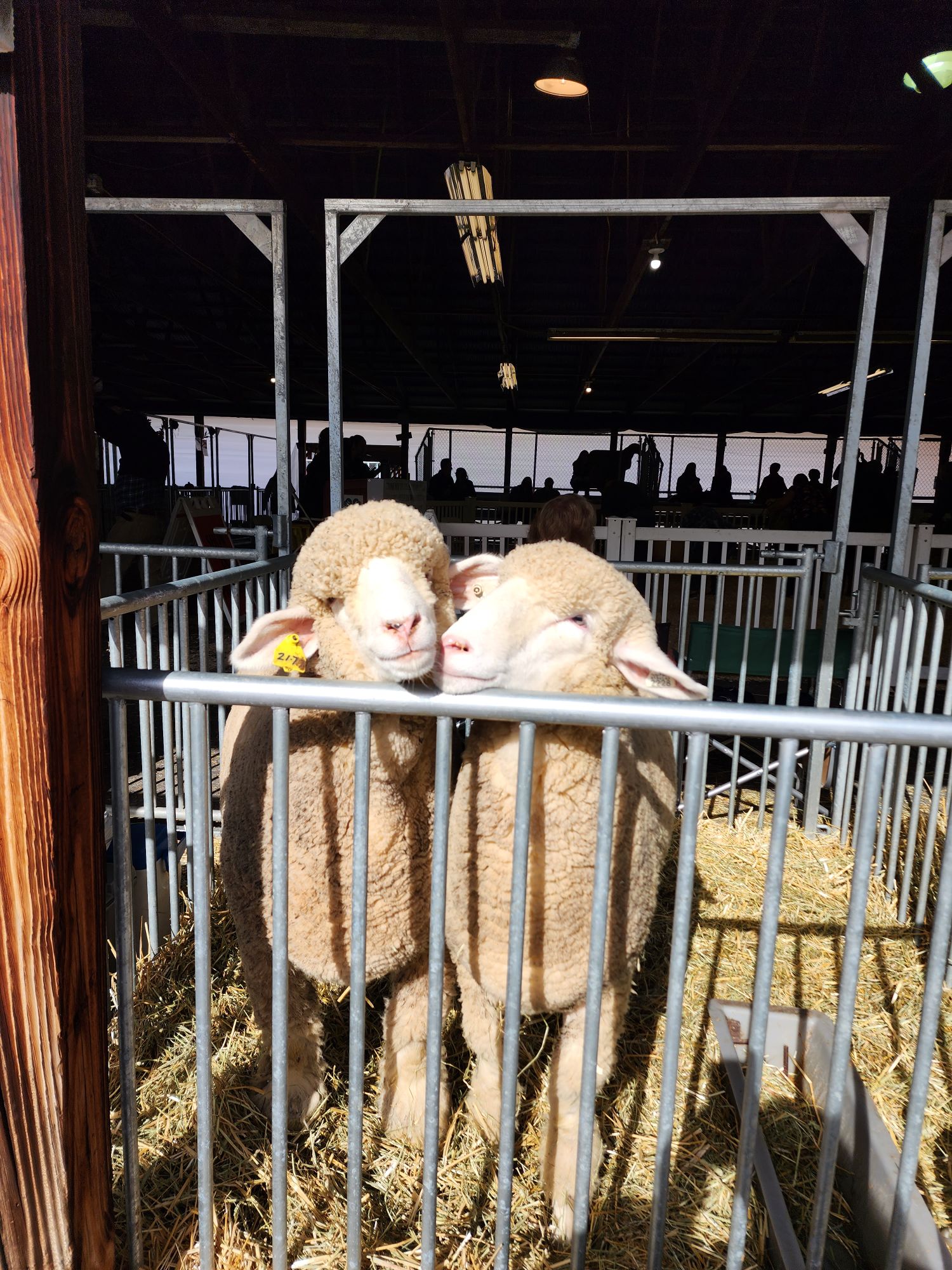
In addition to the opportunity to take a class or workshop, these festivals often feature exhibitions of sheep and other fiber-producing animals. You can observe different sheep breeds, learn about their characteristics, and watch livestock exhibitions and sheep shearing demonstrations. Sheep and Wool Festivals are great opportunities to connect with the regional farming community, understand the process of wool production, and appreciate the beauty and diversity of sheep breeds (and these opportunities are often included with the entrance fee).

Community and Networking
Sheep and Wool Festivals are excellent places to meet fellow fiber enthusiasts and connect with the wider community from farmers to pattern designers. My experience is that vendors, workshop instructors, and attendees are all eager to connect and share their passion for all things sheep and wool.
Many festivals also have designated gathering areas, knitting circles, or social events where you can meet other crafters. If you’re active on Ravelry or social media, many groups will set up times to meet up at these events and designers, podcasters, and other small businesses like local yarn stores will post informal meeting up information on Instagram or twitter.
Sheep and Wool Festivals bring together people who share a common interest in fiber arts and wool. It’s a chance to meet new people, exchange ideas, share experiences, and make new friends within the fiber arts community.
Shopping
Sheep and wool festivals are a paradise for shopping. And not for the reasons you may normally think of! Often small farmers and vendors sell exclusively at sheep and wool festivals or have goods that are only available at these festivals. You’ll find unique and high-quality yarns, roving, and fleece as well as handcrafted tools and equipment for every fiber art imaginable.
.While you will see yarns and tools that you could find at a local yarn shop, a big part of the appeal of a sheep and wool festival is that they’re a great place to discover new materials and connect with small-scale producers and independent artisans. \
And, while I tend to focus on the yarn and crafting side of these festivals ( that’s where my heart is), that’s by no means the sole or even main purpose of sheep and wool festivals. You’ll find livestock sales and animal shows as this is a time when farmers come together to show their animals and make sales. There is also the opportunity to buy fleece and animal products directly from farmers.

Sheep and Wool Festivals are an incredible experience for anyone interested in fiber arts. They offer opportunities to learn, shop, connect, and celebrate the beauty of natural fibers.
If you’re looking for a list of sheep and wool related events including festivals, I often use the Knitter’s Review as a resource. You can also ask your local yarn store owner about fiber events in your area. If you haven’t had the chance to visit a sheep and wool festival, I hope you find an opportunity to attend one! These are the best combination of festival, learning opportunity, and community gathering you can find.

Leave a Reply